
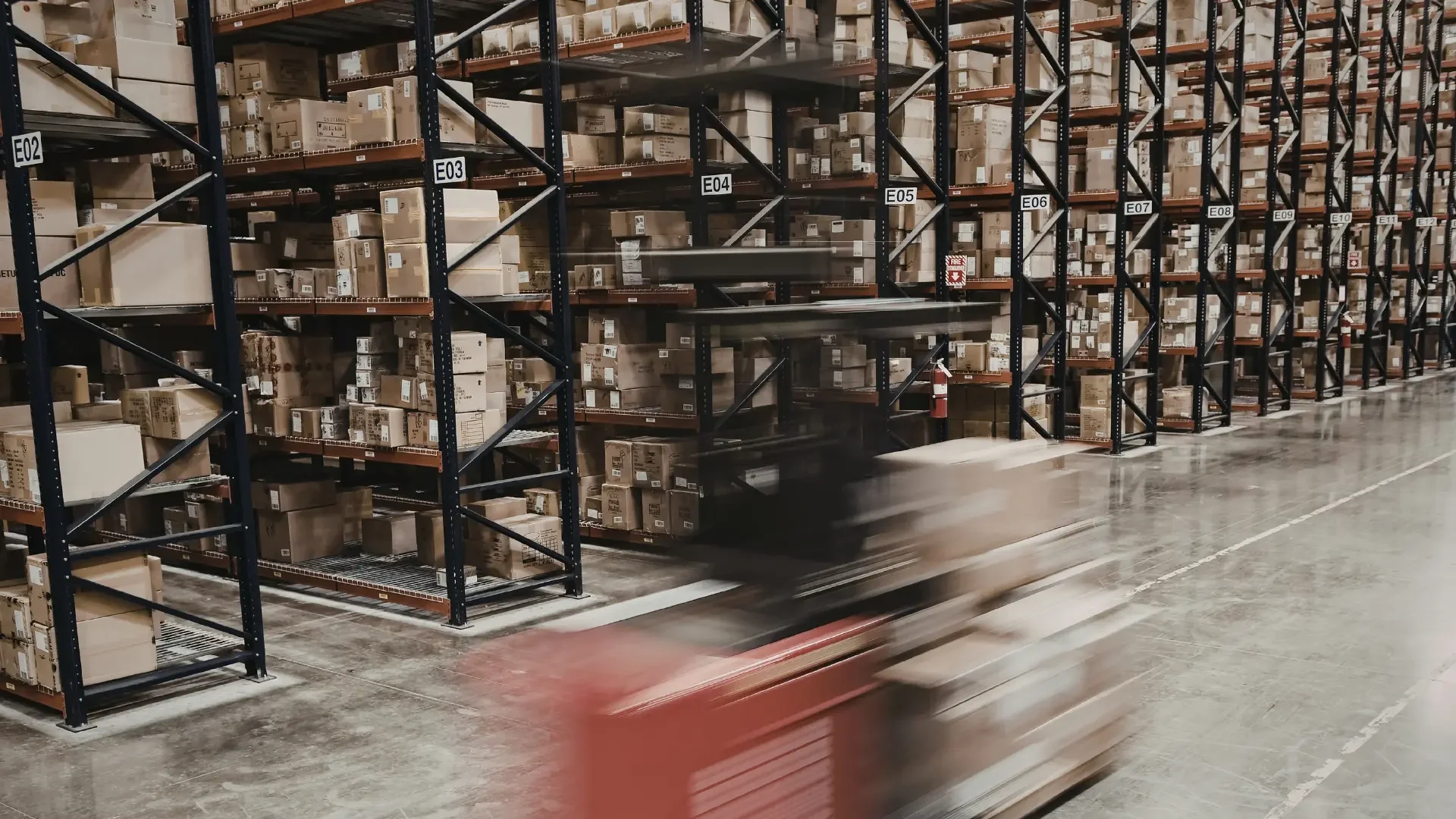
Do You Really Need a New Warehouse – or Is the Problem Somewhere Else?
A full warehouse doesn't always mean you need more space. Learn how warehouse optimisation often solves the real problem without a new warehouse.
When a warehouse reaches its limits, the conclusion often seems obvious: more space. Expansion. A new facility.
But this is where many companies make a critical mistake.
In many cases, the issue is not the available space, but how that space is being used.
When a warehouse "feels" too small
Typical symptoms include:
Constantly full storage areas
Trucks waiting at inbound or outbound
Increasing lead times
Rising headcount despite stable order volumes
Difficulty meeting delivery commitments
These are real problems. But they are not automatically proof that more space is needed.
What really happens when you build bigger
A new facility feels like a safe solution. In reality, something else often happens: existing inefficiencies are transferred into a larger space.
This leads to:
Unnecessarily high investment costs
Inefficient processes in the new setup
Higher long-term operating costs
Companies end up spending millions to recreate the same structural problems on a larger scale.
A better approach: Warehouse Optimisation first
Before making any investment, one key question should be answered: where is the real bottleneck?
At LogDesign Consulting, our approach to Warehouse Optimisation starts with exactly this question. We analyse your existing logistics operation holistically, not just individual processes, but the interplay between warehouse structure, material flow, space utilisation, work processes, traffic routing and workforce deployment.
What we often find: the problem is not the size of the logistics operation, but its structure.
Output can often be improved by up to 50% through targeted warehouse optimisation measures alone, without a single square metre of new space.
When a new warehouse IS the right answer
Of course, there are situations where a new warehouse or expansion is genuinely necessary. Growth projections may require it. Product ranges may change. Automation at scale may only be viable in a new facility.
But the key word is: necessary. Not assumed.
This is where a Logistics Concept & Feasibility Study plays a critical role. Rather than jumping to a solution, it starts with a structured analysis of your current situation, defines your future requirements, and evaluates realistic options including whether building is truly the right path.
The real question is not "how much space?" but "what does our logistics actually need?"
LogDesign Consulting is an independent logistics consultancy. We have no interest in recommending larger or more complex solutions than your operation actually requires. Our goal is clarity before investment so you make the right decision, not just a decision.
Curious to find out where your real bottleneck is? We offer a free initial consultation with no obligation.
→ Learn more: Warehouse Optimisation
→ Learn more: Logistics Concept & Feasibility Study
FAQ
Does a full warehouse always mean I need more space?
Not necessarily. In many cases, the available space is sufficient but the warehouse structure, traffic routing and storage organisation are not aligned. A structured Warehouse Optimisation analysis often reveals significant potential before any investment is required.
How do I know if my warehouse problem is structural or a capacity issue?
The clearest indicator is what happens after you address immediate bottlenecks. If problems return quickly, or if the same areas repeatedly cause delays, the root cause is likely structural. An independent Logistics Consulting engagement can help identify which it is.
What is the difference between Warehouse Optimisation and a Logistics Concept & Feasibility Study?
Warehouse Optimisation focuses on improving your existing operation, restructuring processes, improving flow and extracting more performance from your current space. A Logistics Concept & Feasibility Study is used when you are considering a significant investment (new warehouse, automation, expansion) and need a structured basis for that decision before committing.
How long does a Warehouse Optimisation project take?
Typically between four and eight weeks, depending on the complexity of your operation and data availability. The goal is to deliver actionable results quickly — not an endless consulting engagement.
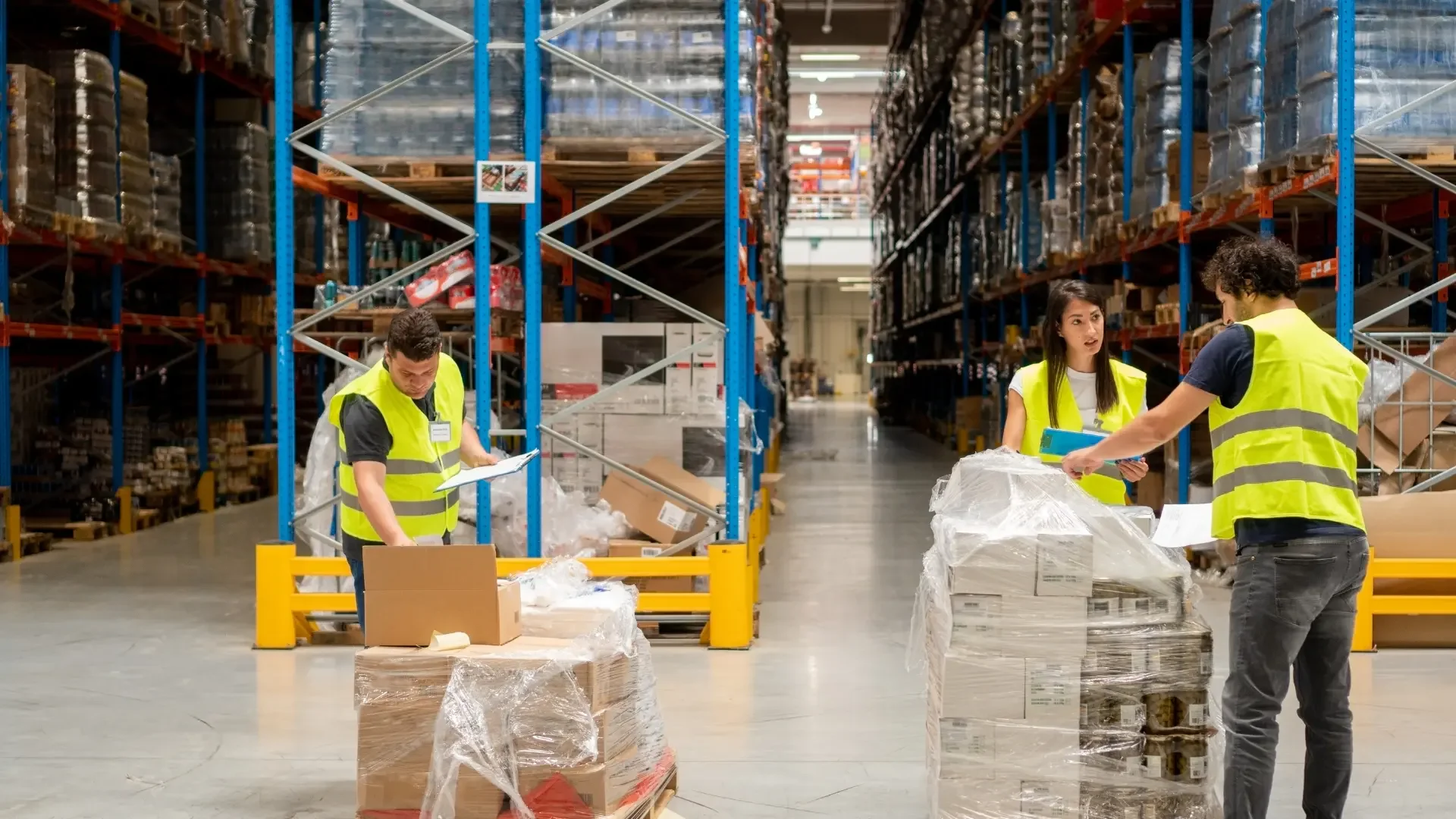
When Logistics Happens on the Side
When Logistics Happens on the Side
Why organic logistics structures become a risk and how independent logistics consulting helps avoid costly misinvestments.
Logistics is rarely a core competency — and that's precisely where the greatest risks arise
In most companies, logistics is not what they earn their money from. The focus is on products, sales, production or technology. Logistics "just works somehow" — often grown, adapted and extended over years. And that is precisely the problem.
Many logistics structures do not develop in a planned way, but step by step: an extra shelf here, a new area there, adjusted processes whenever necessary. What works in the short term is rarely fundamentally questioned. Over time, this creates a system that is complex, difficult to manage and increasingly inefficient.
The consequences often only become visible later — in rising costs, longer lead times, growing staffing needs and bottlenecks in day-to-day operations.
Decisions under uncertainty
When the problems become visible, companies face the same difficult questions: Is the warehouse still sufficient? Does it need to be extended or rebuilt? Does automation make sense? Which investment is the right one?
These decisions are among the most expensive of all — and are often made on the basis of experience, internal assumptions or vendor recommendations. What is frequently missing is a neutral, structured assessment of the company's own logistics operation.
Why an external perspective is decisive
This is precisely where the value of independent logistics consulting lies — not to add complexity, but to gain clarity. A structured outside perspective helps to assess existing processes objectively, identify actual bottlenecks and distinguish between symptoms and root causes. The result is well-founded investment decisions rather than costly quick fixes.
What often becomes clear: the problem is not the size of the logistics operation — but its structure.
A typical real-world example
A company was planning to build a new warehouse. The situation seemed clear: no more space, daily truck queues, growing pressure in operations. The proposed solution: a new build.
However, the analysis revealed a different picture. The available floor space was sufficient — but warehouse structure, traffic routing and loading processes were not aligned with each other. After targeted adjustments, performance improved significantly — and the planned new build was not implemented.
Our approach
We support companies in analysing, planning and improving their logistics in a structured way — independent of manufacturers or system providers. This means no off-the-shelf solutions, no selling of technology and no interest-driven recommendations. Instead, a clear focus on what is actually right for each individual operation.
Conclusion
Logistics is too important to happen on the side. Those who understand their logistics make better decisions. Those who plan it in a structured way avoid unnecessary investment. And those who set it up correctly create the foundation for sustainable growth.